

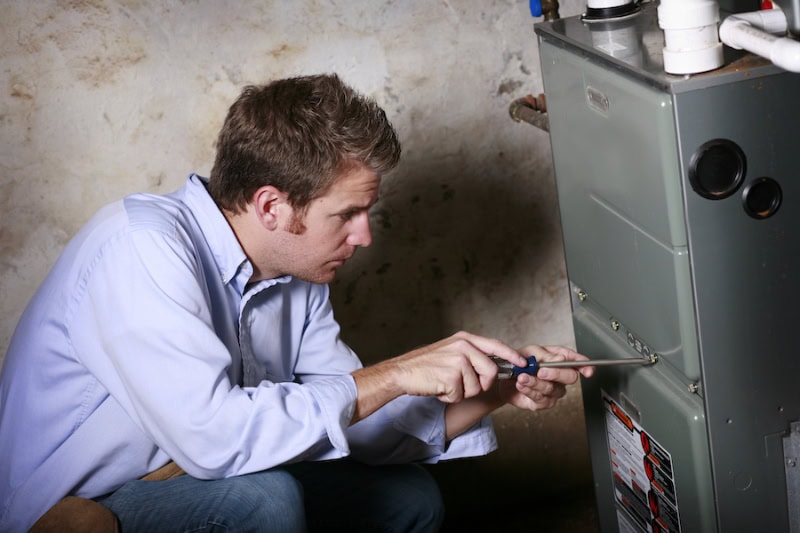
The same goes for a heat pump. The outdoor unit might be in perfect working condition. Still, the heating and cooling process stops without an indoor evaporator coil, connecting refrigerant lines, and a fan to blow conditioned air through ductwork.
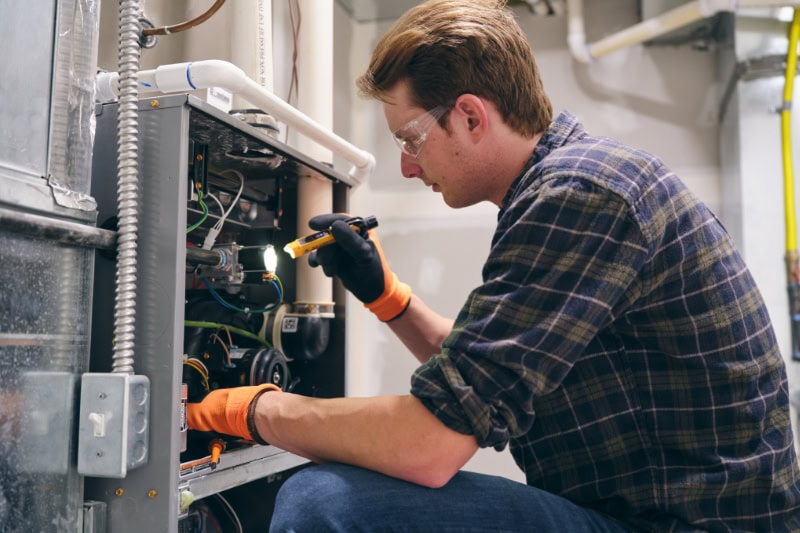
Just about any electrical appliance has the potential to overheat, and furnaces are no exception. As a homeowner, you need to take precautions to lower the risk of an overheated unit. You should also be wary of the associated symptoms so you know when to take action.
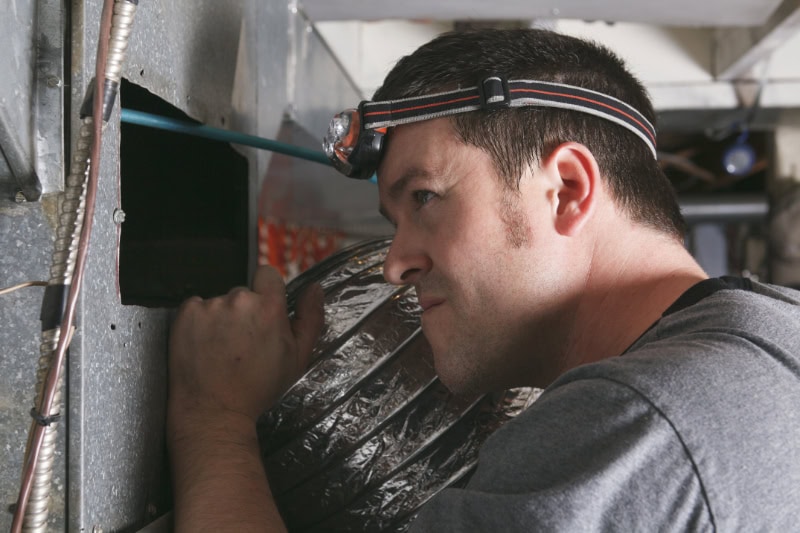
There are a few different reasons your furnace could be leaking water, but the most common reason is a condensation leak.

According to the U.S. Department of Energy (DOE), furnace filter changes can reduce your energy bill by 5 to 15 percent as well.

The National Air Filter Association (NAFA) recommends changing your system’s filter as soon as it is loaded with dust and debris.

Reach out to our Air Tech Service furnace experts today to discuss all of your heating, ventilation, and air conditioning (HVAC) options.

We receive countless calls every time the temperatures drop below normal ranges, as homeowners here in Pasco encounter problems with their home’s heating system. With the record-low temperatures and extreme conditions most of the country is currently experiencing, our Air Tech Service professionals want to share some insights and tips with you to keep your indoors cozy while Old Man Winter blusters away outdoors.

Heat pumps are much more efficient, using up to 50 percent less energy than furnaces or baseboard heaters, according to the US DOE.

If your furnace seems to be producing heat inconsistently around your Pasco home to you, you’re not alone. Many homes have varied conditions from room to room, causing spotty heating or cooling.

On a frosty winter’s day here in Washington, your gas furnace is hard at work, keeping your Kennewick home warm and cozy. Feeling grateful? You’re not alone—it’s one of the most popular forms of heating, as American as apple pie.